"Food Insecurity: A Global Crisis and its Multifaceted Impacts" by Minji Kim
- Nov 1, 2023
- 2 min read
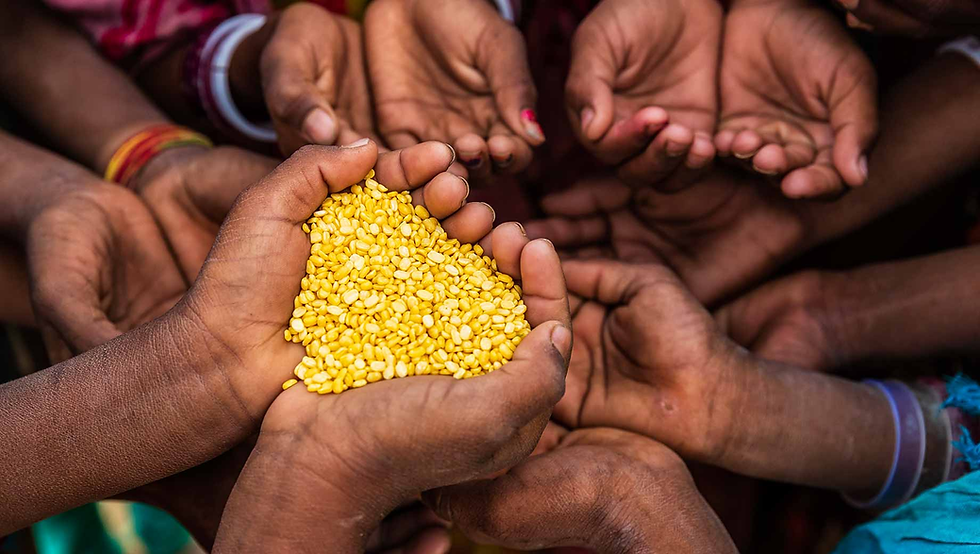
Food insecurity affects millions of people worldwide by impacting transcending borders, cultures, and socio-economic statuses. It is a multifaceted problem with far-reaching consequences. Food insecurity refers to the limited or uncertain access to safe and nutritious food, stemming from factors like poverty, environmental degradation, and societal instability. It manifests in different forms, including hunger, malnutrition, and limited access to essential nutrients. There are countless reasons for the global issue. First, economic disparities are a fundamental driver of food insecurity. Low-income households often struggle to afford a balanced diet, leading to inadequate nutrition. In addition, environmental factors, including extreme weather events, droughts, and floods, disrupt agricultural production, jeopardizing food supplies. Armed conflicts and forced migrations also disrupt the stability of communities, impacting food access and availability, and inadequate infrastructure in rural areas can limit the transportation and distribution of food, leading to shortages and price hikes. Unstable markets, trade policies, and price fluctuations can also contribute to food insecurity, particularly in vulnerable regions.
The impacts of such food insecurities are immense. Food insecurity leads to malnutrition, stunted growth, and a host of health issues. It is a significant contributor to global undernutrition and non-communicable diseases. The issue also reduces productivity and economic development, as malnourished individuals often suffer from cognitive and physical impairments. Food scarcity can lead to civil unrest, protests, and even conflict in regions where resources are scarce. Besides, food insecurity is linked to climate change, as both stem from environmental degradation. It also relates to immigration and refugee crises, as many people flee their home countries due to food scarcity and conflict.
Food insecurity is a global crisis with deep-rooted causes and far-reaching consequences. It is not only a humanitarian issue but also a threat to global stability, health, and economic development. Addressing food insecurity requires a multi-pronged approach, encompassing economic, environmental, and social solutions. Ultimately, fostering a world where everyone has access to safe and nutritious food is not only a moral imperative but also essential for the well-being of humanity as a whole.
Comments